
[1] Authors: Emmanuel Abasiubong Bassey and Margaret Harford.
1.0 EXECUTIVE SUMMARY
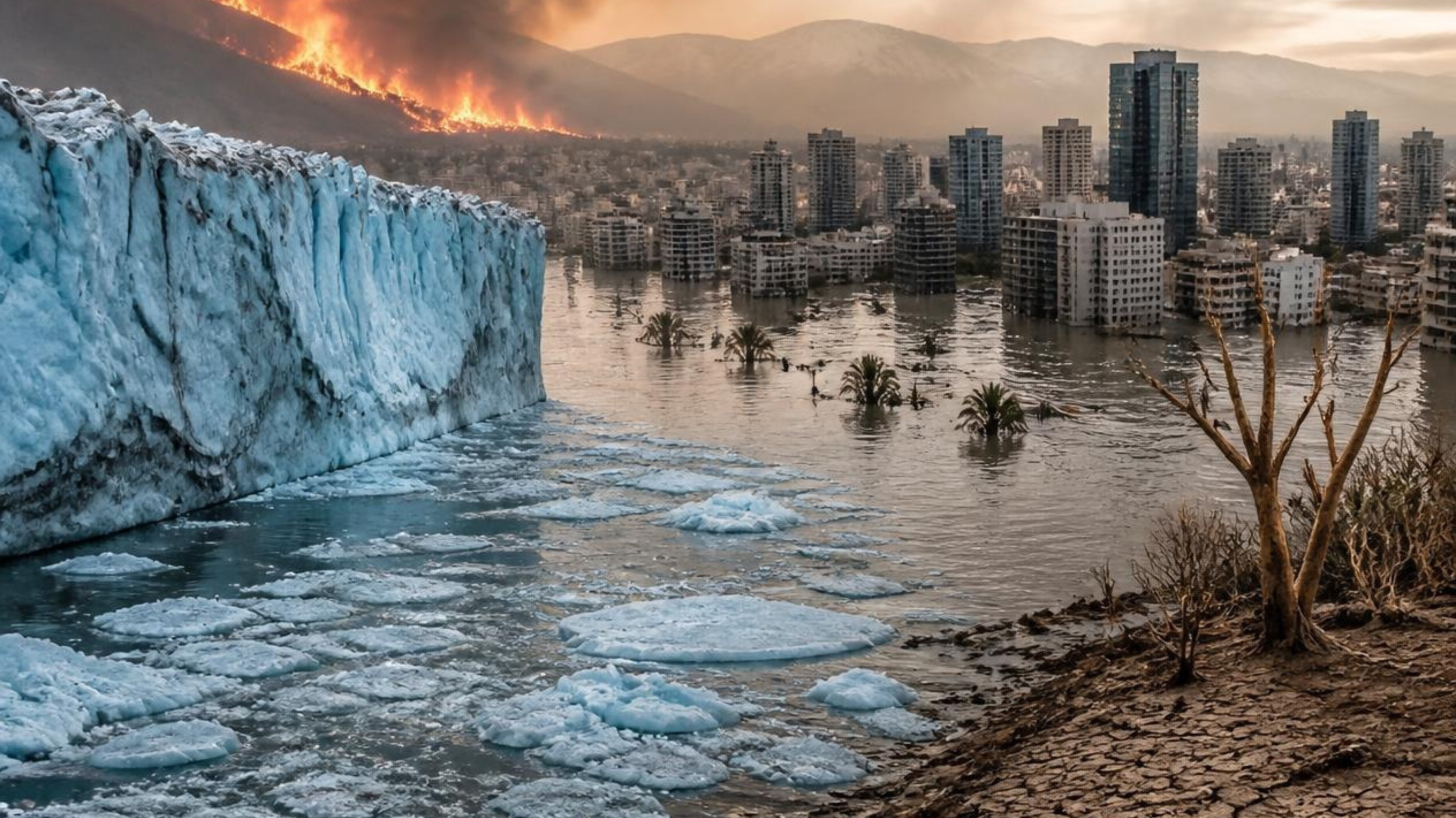
Research shows that global temperatures have risen rapidly due to the increased harmful industrial and environmental practices causing uncontrolled emission of greenhouse gases into the atmosphere. From Africa to Europe to Asia and the American continents. No part of the world is spared the scalding evidence of rising global temperatures. In Europe record breaking heat waves caused deaths and widespread disruption across the European continent while in South Korea, unprecedented heat boiled potatoes in the ground. Given the blazing evidence of global warming, climate change can no longer be denied. It is for this reason that this article recommends the adoption of climate mitigation and adaptation strategies like the transition from fossil fuel to renewable energy sources to reduce carbon emissions, reforestation, building climate resilient infrastructure development, utilisation of heatwave early warning systems etc. to contain the increase in the rate of climate change around the globe.
2.0 INTRODUCTION
Record-breaking atmospheric heat has been a topic of global concern in recent years. Influenced largely by human activities, such as fossil fuel combustion, deforestation and industrial processes, which release heat-trapping greenhouse gases like carbon dioxide and methane into the atmosphere,[1] increasing atmospheric temperature has led to numerous deleterious effects, including the death of humans, livestock and plants as well as threats to food security, water resources, economic activities etc across the globe. From Africa to Europe to Asia and the American continents, we have undeniable evidence of unprecedented extreme rise in atmospheric temperature. This brings to fore the brutal consequences of climate change and the need to take immediate action to mitigate or adapt to its effects. This article examines the recent spate of global warming and its damaging effects and recommends urgent mitigation and adaptation measures to curb the effects.
[1] National Aeronautics and Space Administration (NASA), ‘What is the Greenhouse Effect?’ (NASA Science, 23 October 2024) https://science.nasa.gov/climate-change/faq/what-is-the-greenhouse-effect/ accessed 18 August 2026.
Leave a Reply