

If greenhouse gas emission is allowed to continue to grow as rapidly as it is now growing, it is expected that, by 2100, the global average air emperature over the earth’s surface will warm by around 4°C above pre-industrial levels. This will most likely escalate the already dangerous impacts of climate change. However, if emissions are significantly reduced quickly enough, here
is a chance that global average warming will not exceed 2°C above the pre-industrial levels and thereby avert some of the potentially dangerous impacts of climate change. It is for this reason that climate change mitigation and adaptation strategies need to be adopted in order to at least
reduce the deleterious impacts of climate change.
Climate change mitigation basically involves taking action to reduce the amount of greenhouse gas being released into the atmosphere through human activities. It covers actions that are aimed at removing some of the greenhouse gases already present in the atmosphere. Climate change
adaptation on the other hand refers to those actions that are aimed at minimising the negative effects of climate change and taking advantage of the beneficial effects that it may produce. This is because it is now settled that even if substantial progress is made in a bid to mitigate climate
change by reducing further emissions of greenhouse gases or capturing the greenhouse gases already in the atmosphere today, some degree of climate change will still occur. Thus it is necessary to put in place measures to alleviate the adverse impacts of climate change. Adaptation is about building resilience and reducing vulnerability to the adverse effects of climate change.
Climate Change Mitigation Measures
Improvement in Energy Efficiency
Energy efficiency in simple terms means using less energy to perform the same task, which saves money and reduces the emission of greenhouse gases. It involves using smarter technologies and practices, such as electric vehicles, energy-efficient appliances and LED lighting, among others, to reduce energy waste without compromising results. This may be achieved through intentional personal choices and government policy introducing
energy efficiency standards and labelling for different products. In the United States energy efficiency standards and labelling for a broad range of products were introduced between the mid 1980s and 2015. This helped to reduce the energy consumption of these products by about 10% to 25% and avoided about 2.3 billion tons of carbon dioxide (CO2) emissions, which is roughly equivalent to the annual emissions from 500 million automobiles. Additionally, it is projected to cumulatively save consumers and businesses in the United States about $1.7 trillion by 2030. [see, https://www.eesi.org/papers/view/fact-sheet-energy-efficiency-standards-for-appliances-lighting-and-equipmen#
Improvement in energy efficiency is a task that we can all contribute to. Small changes like replacing high energy bulbs with low energy bulbs and use of more energy efficient electrical appliances in homes can contribute significantly to the reduction in the amount of carbon emissions from homes. So, the next time that you want to purchase an appliance for your home, look out for the most energy efficient ones so that together we can work towards a safer and cleaner environment for all.
Transition from Fossil Fuel
Fossil fuels like coal, oil, and gas are the largest contributors to climate change, responsible for roughly 68% of global greenhouse gas emissions and nearly 90% of all carbon dioxide emissions. They release heat-trapping greenhouse gases such as carbon dioxide and methane when burned
primarily for electricity, heat, and transportation. This process leads to a rise in global temperatures, causing climate change.
The UN’s Intergovernmental Panel on Climate Change warns that fossil fuel emissions must be halved by 2030 if global warming is to be limited to 1.5°C above pre-industrial levels. That is why energy transition is the most significant issue in the fight against climate change.
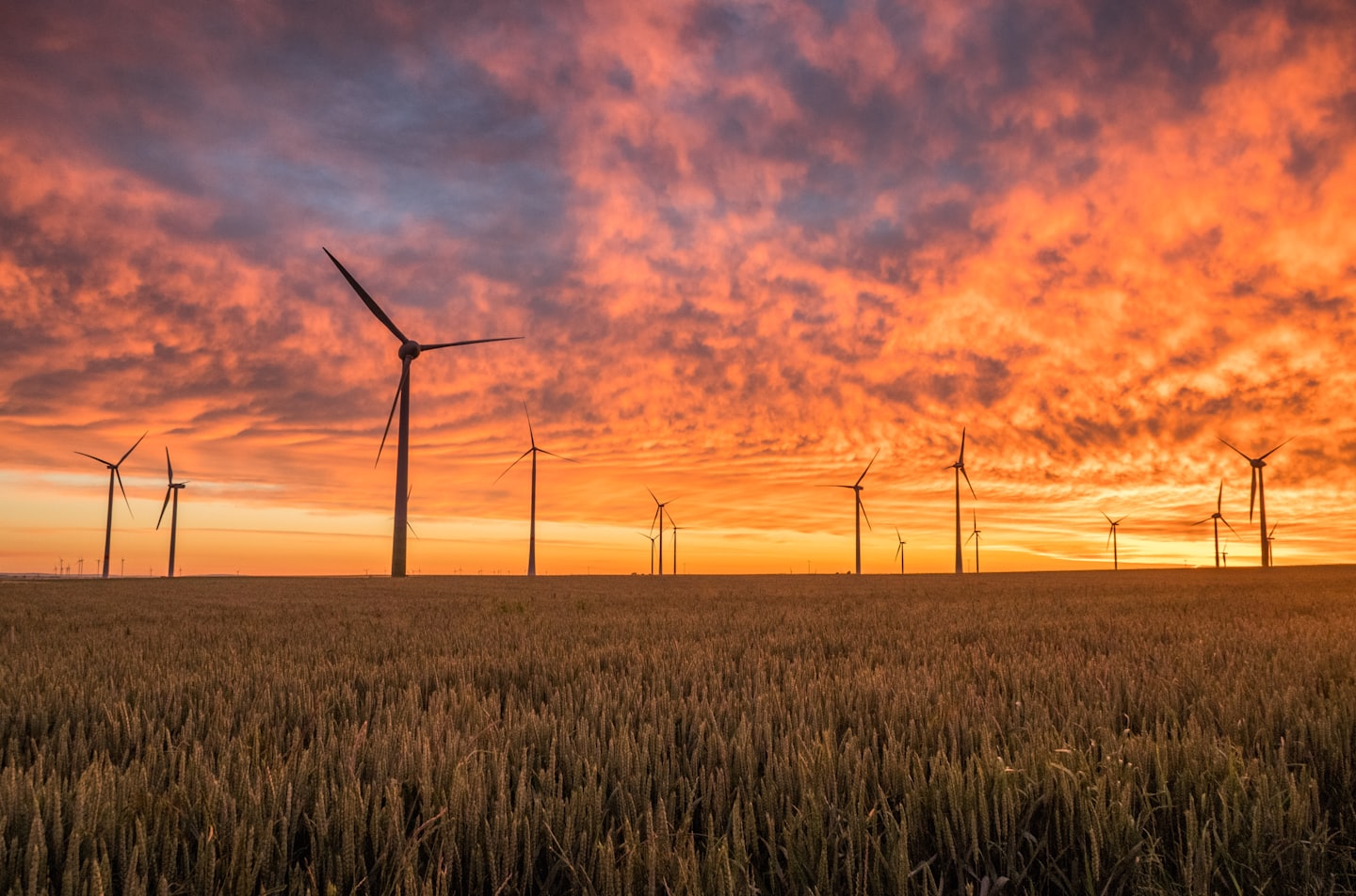
The energy transition is the shift from fossil fuels to renewable energy sources like wind and solar in order to reduce greenhouse gas emissions. Climate change is driven by these emissions, and transitioning to clean energy is the primary strategy to limit global warming and mitigate the
impacts of climate change.
Energy transition requires scaling up renewable energy use by increasing the production of renewable energy from sources like solar, wind, hydropower, and geothermal energy; decarbonizing key sectors by reducing emissions from sectors that are heavily reliant on fossil fuels, such as power generation, transportation, and industry; creating an environment that
supports innovation, such as energy storage solutions, and adopting innovative financing mechanisms to fund the necessary changes, among others. This transition must of course be just so that the transition benefits everyone and leaves no one behind.
Find full article below
Leave a Reply